
How to Choose Wedding Planner Company in Jaipur: Step-by-Step Guide
The Indian wedding industry is currently experiencing an unprecedented era of expansion, with a market valuation reaching approximately ₹4.25 lakh crores. As couples increasingly move away from traditional hometown ceremonies toward grand destination experiences, Jaipur has emerged as the premier epicenter for royal heritage weddings. Choosing a wedding planner in this specific landscape is no longer a simple administrative task; it is a strategic investment in risk management, cultural authenticity, and financial optimization. The Pink City, characterized by its complex logistical requirements at heritage palaces and high-demand winter seasons, necessitates a selection process that goes beyond aesthetic appeal. This comprehensive guide details the precise steps required to identify, evaluate, and finalize a wedding planning partner that aligns with the vision of a regal Rajasthani celebration.
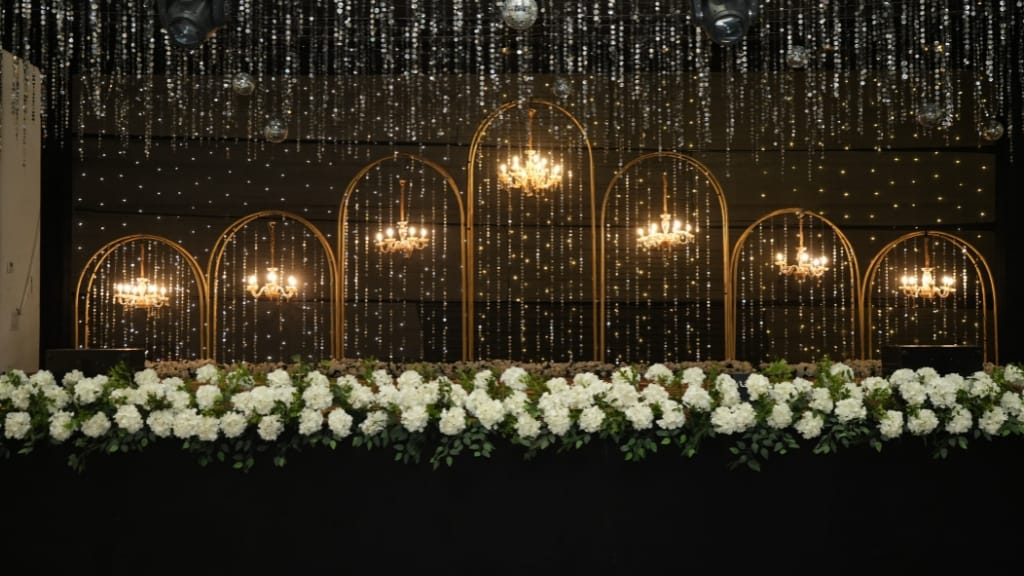
1. Start With Research to Find the Best Wedding Planners in Jaipur
The foundation of a successful wedding lies in the exhaustive nature of the initial research phase. Given that 80% of couples now hire professional
planners to navigate the stress of multi-day Indian weddings, the market is saturated with service providers ranging from novice enthusiasts to luxury firms. For a location as specialized as Jaipur, the research must focus on identifying firms that possess not just creative flair, but also the structural competence to manage large-scale logistics within heritage environments. This phase is about gathering raw data that will later be filtered through more rigorous selection criteria.
1.1 Search Online Wedding Platforms and Social Media
Digital footprints offer the first point of contact between a couple and potential planning partners. Specialized wedding directories such as WedMeGood and WeddingWire provide a centralized location for viewing aggregated vendor profiles, which include service descriptions and initial price points. However, the modern research process must also leverage social media platforms like Instagram and Pinterest. These visual channels allow couples to see a planner’s design sensibility in real-time. It is essential to look for “real wedding” tags rather than just “styled shoots,” as the latter are often staged environments that do not reflect a planner’s ability to coordinate live events.
A professional firm will maintain a robust digital presence that serves as a portfolio of their technical and creative range. When exploring these platforms, it is beneficial to look for consistency in the quality of events. A planner who can successfully execute an intimate ceremony at a boutique haveli with the same precision as a grand celebration at the(https://jaipurweddings.in/services/) demonstrates a high level of operational maturity. Digital research should result in a broad list of candidates whose work resonates with the couple’s initial aesthetic preferences.
1.2 Check Reviews, Testimonials, and Real Wedding Galleries
Review analysis in the Jaipur wedding market requires a high degree of skepticism and verification. Industry reports indicate that some service-based businesses use fabricated testimonials to attract prospective clients. To verify authenticity, couples must cross-reference reviews with the actual wedding galleries posted on the planner’s website. If the individuals providing the glowing testimonials do not match the couples featured in the “Real Weddings” section, it serves as a significant red flag.
Consistent positive feedback across multiple platforms—Google, Instagram comments, and specialized wedding sites—indicates a reliable track record. Couples should look for reviews that specifically mention the planner’s ability to handle unanticipated issues, such as rain during an outdoor palace lawn ceremony or logistical delays with local vendors. Reading about previous client experiences helps in understanding the planner’s responsiveness and their ability to stay within the stipulated budget, which are critical components for a stress-free experience.
1.3 Ask Friends and Family for Trusted Recommendations
While digital metrics are valuable, the “social proof” provided by trusted personal networks remains an essential component of the research phase. Recommendations from recently married couples provide nuanced insights that are rarely available online. These first-hand accounts can reveal how a planner manages high-pressure situations, the professionalism of their on-ground team, and their transparency regarding final billing versus initial estimates.
Family members who have previously hosted events in Jaipur may also have specific insights into which planners have the best relationships with local authorities for sound permits or firework licenses. These personal references can help filter out planners who may have a visually stunning Instagram profile but lack the interpersonal or logistical skills necessary to manage complex family dynamics during a multi-day Indian wedding.
1.4 Explore Wedding Planner Websites and Service Pages
A planner’s official website is the most definitive source for understanding their full scope of service. Professional firms like Jaipur Weddings use their digital platforms to outline specific unique selling points, such as expert curation of royal venues and a “collaborative philosophy” that positions the planning team as an extension of the client’s family. Reviewing these pages helps couples understand whether a firm specializes in “Full-Service Planning,” which includes everything from venue selection to guest hospitality, or “Partial Planning,” which may only cover decor and day-of coordination.
A well-structured service page will also provide clarity on the company’s ethos. For instance, the(https://jaipurweddings.in/blog) often discusses the importance of blending heritage with modern elegance, which helps a couple determine if the firm’s philosophy aligns with their vision for a traditional yet contemporary celebration. The presence of detailed service descriptions indicates that the planner has established workflows and a professional approach to project management.
1.5 Look for Jaipur Wedding Experience and Local Vendor Connections
The “local advantage” is perhaps the most critical factor for weddings in Jaipur. A planner deeply rooted in the Rajasthan region offers significant structural benefits, including established relationships with local artisans, florists specializing in Rajasthani blooms, and reliable rental companies for specialized Rajput-inspired props. These connections often translate into better pricing for the client through “bargaining capacity” and “group bookings”.
Local expertise also extends to “permission mastery.” In Jaipur, outdoor celebrations often require a series of approvals from municipal offices and local agencies for sound levels, parking arrangements, and fireworks. A planner who knows the specific nuances of venues like Rambagh Palace or Fairmont Jaipur will understand the load-in restrictions and electrical load capacities, preventing technical failures during the Sangeet or Wedding reception. This regional familiarity ensures that the transition between different multi-venue ceremonies remains seamless for the guests.
2. Shortlist Wedding Planner Companies Based on Experience and Style
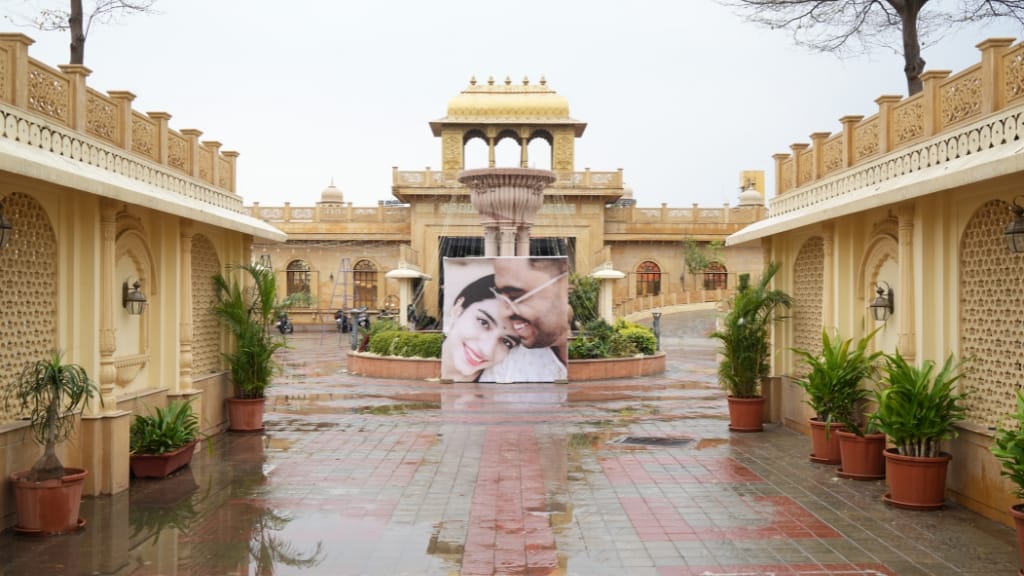
Once the broad research is complete, the selection process enters a more analytical phase: shortlisting. This involves narrowing the list of potential partners down to 3–5 firms that demonstrate a high degree of compatibility with the couple’s specific wedding vision and logistical needs. Shortlisting is not merely about who is “best,” but who is the “best fit” for the particular scale and style of the planned event.
2.1 Evaluate Their Portfolio and Past Wedding Projects
Evaluating a portfolio requires looking beyond the superficial “wow” factor of a floral arrangement. Strategic couples should examine the diversity of themes a planner has executed. Does the firm only produce one type of “cookie-cutter” wedding, or can they pivot between “Luxe Minimalism,” “OTT Bollywood,” and “Regal Rajput” styles?.
A deep dive into past projects should also assess the scale of events. If a couple is planning a 300-guest luxury wedding, they should prioritize planners who have demonstrated the ability to manage similar guest counts at high-end properties like Jai Mahal Palace or Samode Palace. Checking full albums—rather than just highlight reels—reveals the planner’s attention to detail across all functions, from the intimate Haldi rituals to the massive logistical undertaking of the main reception.
2.2 Ensure Their Planning Style Matches Your Wedding Vision
Style alignment is the cornerstone of a successful planner-couple relationship. Some planners are renowned for their “Dramatic Palace Lighting,” while others specialize in “Authentic Rajasthani Rituals” featuring folk performers and traditional baraats. Couples must ensure that the planner’s creative direction complements their personal vision. For example, if a couple desires a “Modern Fairytale” vibe, they should seek a planner whose portfolio reflects a mastery of contemporary design elements rather than one who exclusively focuses on traditional Mughal themes.
The shortlisting process should also consider the “Guest Experience” philosophy of the firm. A planner who prioritizes high-touch hospitality—offering personalized itineraries, local sightseeing packages, and welcome kits—is essential for a luxury destination wedding where many guests may be visiting Jaipur for the first time. Matching the firm’s design sensibility with the couple’s “Vibe” prevents creative friction during the high-stakes months of the planning cycle.
2.3 Verify Authentic Photos and Testimonials
In the era of AI-generated imagery and digital manipulation, verifying the authenticity of a portfolio is a necessary defensive strategy. Couples should investigate if the planner’s most recent projects align with current market trends in Jaipur. Checking the(https://jaipurweddings.in/top-royal-wedding-planners-in-jaipur-where-heritage-meets-unmatched-elegance/) can provide a baseline for what authentic, high-end heritage decor should look like in the current year.
One effective verification method is to check if the planner has been tagged by other reputable vendors—such as high-end photographers or luxury venues—on social media. If the venue doesn’t recognize the planner’s work, or if the photographer doesn’t credit the firm for the design, it may indicate that the planner is using someone else’s work to pad their portfolio. Authenticity verification ensures that the couple is hiring a firm with real-world execution capability rather than just a digital facade.
2.4 Check Experience With Destination Weddings in Jaipur
Destination weddings in Jaipur are “multi-day production ecosystems” that require far more than just decor coordination. A qualified shortlist should feature planners who have mastered the “Logistics of Arrival to ‘I Do'”. This includes managing hotel block bookings at luxury properties like the Taj Rambagh Palace, coordinating transportation through Jaipur’s congested city center, and handling the “Oh Btw” add-ons like artist logistics and extra sound permissions.
Experience with palace weddings is particularly valuable because these heritage sites have strict preservation rules. A seasoned Jaipur planner will understand the “load-in” restrictions for heavy equipment and will have a proven track record of coordinating with hotel management to ensure that “Baraat” entries and firework displays do not violate local ordinances. This specific destination expertise prevents “Avoidable Penalties” that can easily reach ₹3–5 lakhs due to compliance breaches.
2.5 Review Awards, Certifications, or Industry Recognition
While not a strict requirement, industry recognition serves as a “Gold Standard” for professionalism and reliability. The Great Indian Wedding Awards (GIWA), organized by the International Convention of the Wedding Fraternity (ICWF), is the premier platform for honoring excellence in the Indian wedding industry. Planners who have won or been nominated for categories like “Best Destination Wedding (India)” or “Wedding of the Year” have been evaluated by panels of experts on their creativity, scale, and flawless execution.
| Award Type | Category Relevance | Importance |
| GIWA Gold | Wedding of the Year | Indicates elite, consistent performance |
| GIWA 140 | Best Destination Wedding (India) | Specifically validates regional expertise |
| WeddingSutra | Influencer Awards | Recognizes design leadership and market trends |
| ICWF Certification | Industry Training | Reflects a commitment to professional upskilling |
Awards from organizations like ICWF, which has held major conventions at venues like Fairmont Jaipur, indicate that the planner is part of a global community of innovators who are shaping the future of the industry.
3. Meet and Interview Shortlisted Wedding Planners
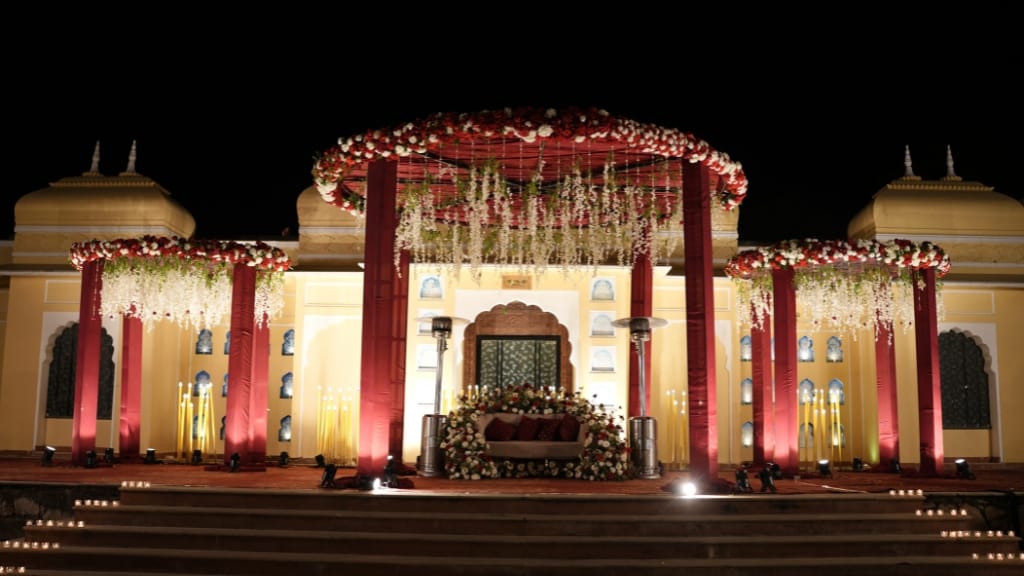
The transition from data gathering to final decision-making occurs during the interview phase. Personal interaction is crucial because the couple will spend 8–12 months working closely with their planner. This stage is designed to assess “Compatibility,” “Responsiveness,” and the “Structural Integrity” of the firm’s team.
3.1 Schedule Personal Meetings or Consultation Calls
Initial consultations should serve as more than a sales pitch; they are an opportunity to evaluate the planner’s “Communication Style.” Professional firms will listen more than they talk, asking probing questions to understand the couple’s “Thinking and Style” rather than pushing a generic template. Whether through a video call or an in-person meeting in Jaipur, the couple should look for a “Stress-Free Aura” and a sense of “Clean Lines” in how the planner presents information.
During these meetings, the couple should observe if the planner provides “Solutions Instead of Hype”. A planner who promises a “Rambagh Palace Wedding for ₹10 Lakhs” is likely being unrealistic or dishonest about the actual market rates in Jaipur. The goal is to find a partner who excites the couple about their vision while remaining grounded in the “Budget Reality” of the region.
3.2 Ask About Team Size and Vendor Network
A common mistake in the Indian wedding market is hiring a planner who lacks the “On-Ground Infrastructure” to handle a large-scale event. Couples must inquire about the specific team size allocated to their wedding. For a luxury Jaipur celebration, there should be at least 2–3 senior members present from the team to manage various parallel functions like guest hospitality, decor execution, and vendor coordination.
The “Strength of the Team” is directly tied to the “Reliability of the Vendor Network.” A planner with a “Stable Vendor Base” can ensure that even if a primary supplier fails, a backup is immediately available. The couple should ask if the planner uses “In-House Designers” or “Reliable Decor Partners” to maintain quality control. Professional firms, such as Jaipur Weddings, often position themselves as part of the client’s team, offering a “Fast and Accurate Response” to every logistical need.
3.3 Check Availability for Your Wedding Date
This sounds elementary but is often forgotten during the excitement of the initial interview. High-end Jaipur venues and elite planners are often booked 9–12 months in advance, especially during the peak winter wedding season of November to February. If a planner is already handling multiple weddings on the same date, their “Bandwidth” will be significantly compromised, leading to a lack of “One-on-One Focus”.
Couples should also ask how many other weddings the firm is handling in the same month. Even if the specific date is free, a planner who has five other major events in the weeks surrounding the wedding may be too exhausted or distracted to provide the “Stress-Free Execution” they promised. Availability is not just about the date on the calendar; it is about the “Mental and Operational Bandwidth” of the team.
3.4 Discuss Wedding Planning Process and Timeline
A professional planner must have a “Clear System” for managing the 12-month journey. The interview should include a discussion of the firm’s “Project Management Methodology.” For example, do they use specialized software or shared spreadsheets to track “Budget Accuracy” and “Vendor Confirmations”?.
A standard grand Jaipur celebration timeline typically looks like this:
- 12 Months Out: Vision definition and hiring the planner.
- 10 Months Out: Locking in venues like Rambagh Palace or Fairmont Jaipur.
- 6 Months Out: Menu tastings, decor conceptualization, and booking the “Key Vendors” like photographers and makeup artists.
- 2 Months Out: Finalizing the guest list, RSVP management, and choreography sessions for the Sangeet.
If a planner has no structured workflow, it is a significant red flag for future “Coordination Chaos”.
3.5 Evaluate Communication Style and Responsiveness
The biggest deciding factor in the planner-couple relationship is often “Communication Style.” Poor communication in the early stages—such as taking more than a few days to reply to an email or missing a scheduled call—is a “Big Flashing Caution Sign” for the future. You deserve a partner who makes your wedding feel like a “Top Priority” from the start.
Professional communication involves being “Inquisitive” about the couple’s ideas rather than just pushing a specific set of vendors. A good planner will explain things clearly, providing a detailed view of what they offer with a “Break-up for Each Item”. This transparency builds the “Trust and Value” necessary for a successful multi-month collaboration.
4. Compare Wedding Planner Packages, Budget, and Services
The fourth stage of the selection process is where “Vision Meets Financial Reality.” Costs and services must be explicitly clear before any commitment is made. In the Indian context, wedding planning fees can vary dramatically, and understanding the “Economics of the Industry” is vital to avoiding “Hidden Costs”.
4.1 Understand Wedding Planner Fees and Budget Management
Wedding planner fees in India typically follow one of three models: a “Percentage-Based Fee,” a “Flat Management Fee,” or “Partial Coordination Fees”.
| Fee Model | Typical Range | Best Suited For |
| Percentage Fee | 10% – 20% of total budget | Full-service luxury weddings |
| Flat Fee | ₹2 Lakhs – ₹15 Lakhs | Mid-range to high-end destination weddings |
| Coordination Only | ₹50,000 – ₹2 Lakhs | Couples who have booked vendors and just need day-of management |
Industry standards suggest allocating at least 15-25% of your total budget for professional planning services if you want a high “Return on Investment” in terms of stress reduction and cost control. A seasoned planner is also a “Good Business Person” who can maintain the wedding budget within a 15% flexibility margin.
4.2 Compare Services Included in Different Packages
When comparing planners, “Inclusions vs. Add-ons” is a critical metric. Do not fall for vague phrases like “Premium Service” or “Complete Wedding Experience”. A detailed proposal should itemize services such as:
- Venue Sourcing & Negotiation: Leveraging local connections for the best deals.
- Vendor Management: Coordination with caterers, photographers, and entertainers.
- Decor Conceptualization: Blending “Floral Artistry” and “Lighting Design”.
- Logistics & Transportation: Guest pick-ups and intra-city travel in Jaipur.
- Hospitality: RSVP management and personalized guest welcome kits.
If a planner hides costs or excludes essential services like “On-ground Execution,” those items will become expensive “Surprises” later on.
4.3 Look for Transparent Pricing and Avoid Hidden Costs
Hidden wedding venue and planning costs typically arise from “Overtime Penalties,” “Generator Fuel Surcharges,” and “Compliance Breaches”. A professional proposal should provide a “Full Budget Breakdown” rather than a lump-sum estimate.
In Jaipur, couples should specifically ask about:
- Sound Level Fines: Penalties for music running past the 10:00 PM or 11:00 PM limit.
- Cleaning & Restoration Fees: Costs for returning heritage lawns to their original state after the event.
- Mandatory Service Charges: Taxes and service fees that are often left out of initial quotes but can add 18% to the bill.
4.4 Ask About Vendor Commissions and Additional Charges
Transparency regarding “Vendor Commissions” (often called kickbacks) is a major ethical divide in the industry. Some planners charge a lower upfront fee (under ₹3 lakhs) but earn 10-30% from every vendor they recommend. While not necessarily illegal, it can “Blur Things,” leading the planner to recommend the vendor who pays the highest commission rather than the one best suited for the couple’s style.
High-end “Boutique” and “Luxury” planners often charge a higher upfront fee but take “No Commission” from vendors, ensuring their advice remains unbiased and focused on the client’s best interests. Clarity on this point “Builds Trust” and allows for a “Clean Exchange of Value”.
4.5 Check Flexibility in Customizing Wedding Packages
No two weddings in Jaipur are identical. A “Cookie-Cutter Approach” is a significant disadvantage. Professional planners like Jaipur Weddings emphasize their “Listening and Understanding” capability, allowing them to tailor services to the specific guest count and cultural requirements of each family.
Couples should ask if they can “Pick and Choose” from services to manage costs—for example, handling the catering independently while using the planner for “Bespoke Decoration” and “Logistics”. Flexibility is a sign of a mature firm that understands “Value Engineering” rather than just maximizing their own fee.
5. FinalizeWedding Planner Company in Jaipur With a Contract and Clear Expectations
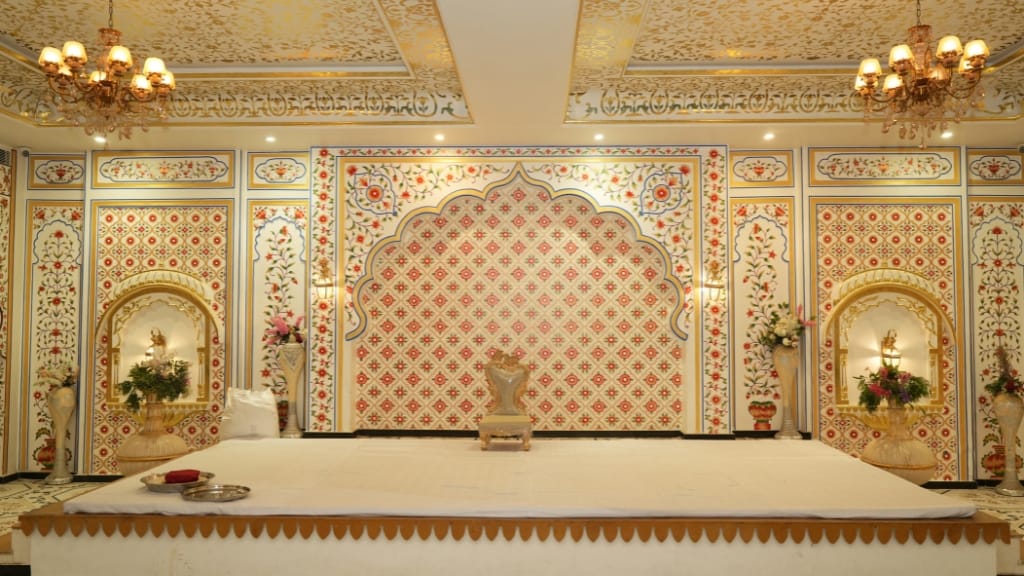
The final stage of hiring a planner is the transition from “Negotiation” to “Legal Commitment.” In an industry where 42% of planners reportedly face payment disputes, a written contract is not an option—it is a “Defensive Strategy”.
5.1 Confirm Communication Process and Planning Timeline
Before signing, the “Communication Rhythm” must be established. This includes identifying a “Single Person to Contact” on the day of the event and setting expectations for “Weekly Check-ins” or monthly progress reports. Clear communication now prevents “Planning Stress” later.
Professional planners will provide a “Planning Checklist” that outlines “Payment Milestones” and “Vendor Booking Deadlines”. For a grand Jaipur celebration, this timeline ensures that high-demand venues like Rambagh Palace or Fairmont Jaipur are secured well in advance of the winter peak.
5.2 Review the Contract, Services, and Payment Terms Carefully
A robust Indian wedding contract should be “Itemized” and “Detailed”. It must include:
- Specific Service Descriptions: Avoiding vague terms like “Reasonable Number of Photos” or “Standard Floral Arrangement”.
- Force Majeure Clause: Essential post-pandemic to address unforeseen events like government-mandated lockdowns.
- Cancellation & Refund Policy: Clear thresholds for how much is returned if the event is canceled 6 months, 3 months, or 1 month prior.
- Staffing & Arrival Times: Documenting the number of staff members present and their specific arrival times for setup.
Payment terms typically involve a 25-30% deposit at signing, a second installment mid-way, and a final balance due 1–2 weeks before the event.
5.3 Ensure the Planner Handles Vendors and Logistics Efficiently
Finalizing the planner means handing over the “Logistical Mastery” to the professionals. A competent planner will review “Indian Wedding Venue Contract Clauses” line-by-line to identify financial leak points before the couple signs with the venue. This includes negotiating “Structural Flexibility” and ensuring “Vendor Integration” without penalty exposure.
In Jaipur, this also means managing “Power Infrastructure” and “Electrical Load Capacity” for elaborate Sangeet setups. The planner’s “Bargaining Capacity” allows them to negotiate “Inclusion Swaps”—such as swapping a standard welcome drink for a premium one—preserving elegance while protecting the budget.
5.4 Clarify Responsibilities on the Wedding Day
“On-site Coordination” is where the planner’s true value is revealed. The contract should clarify who manages “Mandap Timings,” who coordinates the “Priest’s Ritual Flow,” and who oversees the “Catering Supervision”. For a multi-day event, there must be a “Single Point of Coordination” for all 20+ vendors to ensure that the couple and their families can focus on the celebration.
The planner should also manage “Guest Management Systems,” ensuring that arrivals and departures are handled through “Clear Signage” and “Logistical Mastery”. Clarifying these roles prevents “Confusion and Traffic” during critical functions.
5.5 Confirm Backup Plans for Emergencies
If a planner does not have a “Plan B” right on top of their head, they are likely not the right choice for a destination wedding. In the “Pink City,” emergencies often involve weather disruptions during lawn ceremonies or power failures during high-production Sangeet nights.
A seasoned planner will have “Backup Vendors” on standby and “Weather Contingency Engineering,” such as pre-negotiated indoor hall access or rapid tent installation protocols. They must be “On-Spot Problem Solvers” who can handle crises—like a “Basic Coordinator” being found passed out after a cocktail party—without disturbing the couple.
6. Common Mistakes to Avoid When Choosing a Wedding Planner in Jaipur
Navigating the Jaipur wedding market requires a cautious approach to avoid the “Pinterest Trap” and “Vendor Lock-in” issues that can compromise an event’s success.
6.1 Choosing a Planner Without Checking Reviews
Ignoring consistent patterns in online feedback—such as multiple reports of “Lack of Transparency” or “Poor Communication”—is a significant error. Real client reviews help in understanding the “Invisible Work” of the planner, such as how they manage family dynamics and unanticipated problems during the planning stage.
6.2 Selecting Based Only on Price
“Ridiculously Low Prices” are often a red flag for inexperience or hidden costs. A less costly planner may lack the “Resource Mastery” to manage a complex palace wedding, leading to budget overruns and logistical failures. Instead of looking for the cheapest option, couples should seek “Value”—comparing offerings against cost to ensure a high return on investment.
6.3 Not Reviewing the Contract Carefully
Vague contracts lead to “Disputes About Services or Payments”. Falling in love with a venue before reviewing the “Fine Print” on overtime penalties or vendor exclusivity clauses can add ₹3–₹5 lakhs in avoidable costs.
6.4 Ignoring Communication and Planning Style
“Overlooking Compatibility” can lead to a miserable 12-month process. If a planner keeps “Pushing Their Ideas” on you rather than listening to your vision, it is time to look at the rest of your list. A good planner should excite the couple, not “Drive Them Crazy”.
7. Average Cost of Hiring a Wedding Planner in Jaipur
The total cost of a wedding in Jaipur is a function of “Guest Count,” “Venue Prestige,” and “Decor Complexity”.
7.1 Typical Wedding Planner Fees in Jaipur
Planner fees in Jaipur are generally categorized into three tiers:
- Local Weddings (Intimate/Mid-range): Fees between ₹2 Lakhs and ₹5 Lakhs for basic planning and coordination.
- Luxury/Destination Weddings: Fees ranging from ₹5 Lakhs to ₹15+ Lakhs for full-service execution at palaces.
- Percentage-Based: Planners often charge 10% to 15% of the total wedding expenditure.
| Component | Est. Cost for 2-Day Wedding (₹) | Notes |
| Venue & Stay | 10L – 30L | 30-40% of total budget |
| Catering | 2.5L – 10L | ₹1,200 – ₹7,000 per plate |
| Decor | 3L – 15L | Themed setups cost more |
| Planner Fee | 1L – 8L | Varies by experience |
| Total Est. | ₹25L – ₹70L+ | For 80–150 guests |
7.2 Factors That Affect Wedding Planner Pricing
- Seasonality: A wedding in December (peak winter) can cost significantly more than a shoulder-season event in October or March due to high demand for palace venues.
- Venue Type: Heritage palaces like the Taj Rambagh Palace (₹57–89 Lakhs for 200 guests) require more complex logistics than modern hotels.
- Multi-Function Scaling: A 4-day celebration with Mehendi, Haldi, Sangeet, and Reception increases the workload and coordinator price compared to a 1-day event.
7.3 Tips to Manage Your Wedding Planning Budget
- Set a 15% Contingency Fund: For unexpected “Oh Btw” costs like artist logistics and sound permissions.
- Negotiate “Vendor Bundles”: Combine roles, such as using an AV company that also provides music and lighting.
- Incorporate Local Culture: Using “Rajasthani Folk Dancers” and local “Genda Phool” (marigolds) is more cost-effective and authentic than importing exotic flowers or artists.
8. Frequently Asked Questions About Wedding Planners in Jaipur
8.1 Do I Really Need a Wedding Planner for My Wedding?
Yes, especially for destination weddings in Jaipur. Planners handle “20+ Vendors,” manage “Egos,” handle “Mini-Emergencies,” and ensure that complex pre-wedding rituals flow seamlessly. They act as a “Return on Investment” by preventing costly mistakes and managing a budget that can range from thousands to millions of dollars.
8.2 How Early Should I Book a Wedding Planner in Jaipur?
For the peak winter season (November to February), couples are advised to book their planner and venue at least 9 to 12 months in advance. Iconic venues like Rambagh Palace and Samode Palace fill up quickly, and early booking also helps with “Negotiation and Budget Precision”.
8.3 What Services Do Wedding Planners Usually Provide?
Professional planners provide “End-to-End Execution,” including venue selection, budget planning, vendor coordination, decor design, logistics, guest management, catering supervision, and on-ground execution of ceremonies like Mehendi, Sangeet, and the Wedding.
8.4 Can Wedding Planners Help With Destination Weddings in Jaipur?
Absolutely. Specialized destination planners like Jaipur Weddings handle the “Multi-Day Production Ecosystem,” managing guest transportation, heritage palace preservation rules, and local permissions for fireworks and sound. They ensure that even if the couple lives elsewhere, the Jaipur celebration reflects their unique story with “Royal Charm” and “Unmatched Elegance”.